
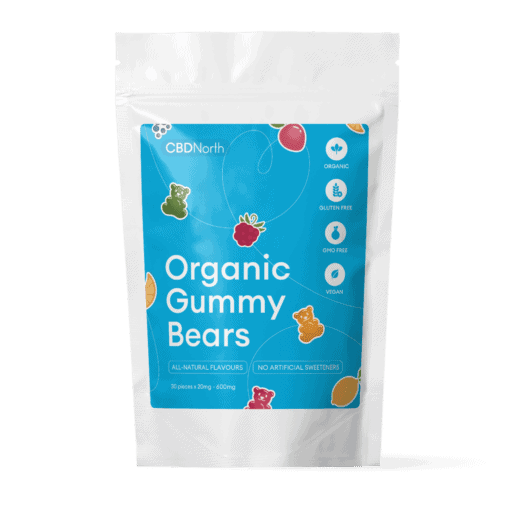
Seasonal temperature and humidity fluctuations create distinct storage challenges that directly impact CBD gummy potency, texture, and shelf life throughout the year. Different seasons require specific storage adjustments to maintain product integrity and prevent degradation from environmental factors. CBD gummies Canada consumers face particularly complex storage considerations due to extreme seasonal variations, ranging from frigid winters to humid summers that can compromise product quality without proper storage protocols.
Temperature fluctuation challenges
Summer heat poses the most immediate threat to CBD gummy integrity, as elevated temperatures can cause gummies to melt, stick together, and lose their intended shape and texture. High temperatures also accelerate the degradation of CBD compounds, reducing potency over time and potentially creating uneven dosing within individual gummies. The melting point of most gummy formulations falls between 85-95°F, making summer storage particularly critical in regions experiencing prolonged heat waves.
Winter storage presents different challenges, as frigid temperatures can make gummies hard and brittle, affecting their palatability and ease of consumption. Freezing temperatures can also cause condensation when gummies are moved between temperature zones, introducing moisture that promotes mould growth and bacterial contamination. The repeated freeze-thaw cycles during seasonal transitions can break down the gummy matrix structure, leading to texture changes and potential potency variations.
Light exposure variations
Seasonal changes in daylight duration and intensity affect storage location requirements throughout the year. Summer months bring longer daylight hours and more intense UV radiation that can penetrate windows and storage areas, requiring more comprehensive light protection measures. Extended daylight exposure can degrade CBD compounds and cause colour changes in gummies, indicating molecular breakdown and potency loss. Winter storage benefits from reduced daylight hours but often involves artificial lighting for extended periods, which can also contribute to photodegradation if storage areas lack proper light protection. The angle and intensity of sunlight change seasonally, meaning storage locations that remain dark during winter months might receive direct sunlight during summer, requiring seasonal adjustments to storage positioning and light-blocking measures.
Container selection strategies
- Summer storage requires containers with enhanced heat resistance and superior sealing properties to prevent melting and moisture intrusion
- Winter containers should provide insulation against extreme cold while allowing for gradual temperature adjustment when moved between environments
- Airtight glass containers work best for long-term storage, but require padding during cold months to prevent thermal shock cracking
- Food-grade plastic containers offer flexibility for temperature changes, but may become brittle in extreme cold conditions
- Vacuum-sealed packaging provides excellent protection but requires careful handling during temperature extremes to prevent seal failure
Seasonal storage location adjustments
Storage location requirements shift dramatically with seasonal changes, as areas suitable for summer storage may become problematic during winter. Basements that provide cool summer storage can become too humid during spring thaws, while upper floors that offer dry winter storage may become too hot during summer months. Seasonal assessment of storage areas helps identify optimal locations for different times of year.Climate-controlled interior storage becomes essential during extreme seasonal conditions, particularly in regions experiencing significant temperature and humidity variations. Dedicated storage areas should maintain consistent temperatures between 60-70°F and humidity levels around 45-55% year-round, requiring seasonal adjustments to heating, cooling, and humidity control systems to accommodate changing external environmental conditions.